

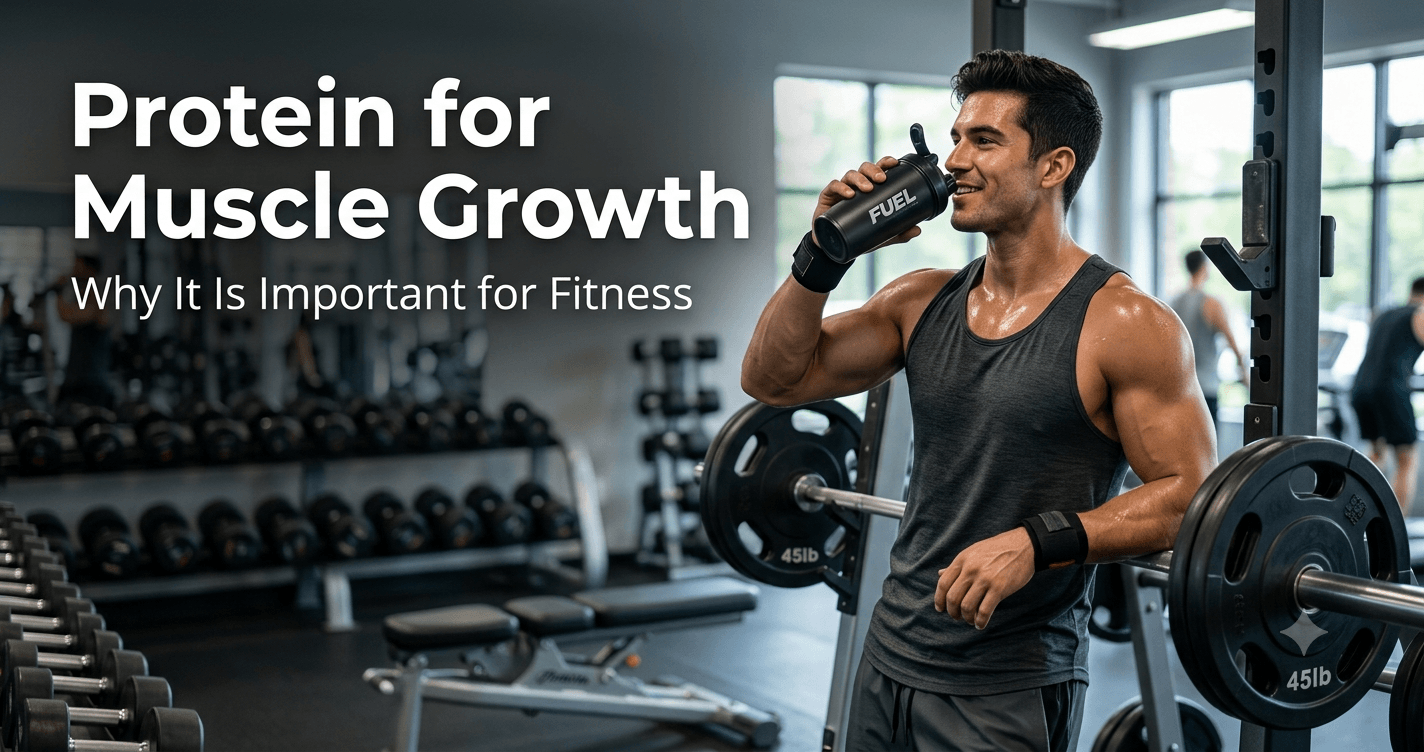
Protein: Why It Is Important for Muscle Growth and Fitness
Introduction
Protein is one of the most important nutrients for anyone who wants to improve their fitness, build muscle, or maintain a healthy body. Whether you are a beginner starting your fitness journey or an experienced athlete, protein plays a major role in muscle repair, recovery, and overall performance.
Many people focus only on workouts when trying to build muscle, but exercise alone is not enough. Your body needs the right nutrition to support muscle growth. Protein provides the essential building blocks that help repair muscle tissues after exercise and promote strength development.
In this article, we will understand why protein is important for muscle growth, how it helps your fitness goals, the best protein sources, and how much protein you may need.
What Is Protein?
Protein is a macronutrient made up of smaller compounds called amino acids. These amino acids are responsible for many important functions in the body, including building and repairing muscles, supporting hormones, and maintaining a strong immune system.
When you perform strength training or intense workouts, your muscles experience small tears. Protein helps repair these muscle fibers, making them stronger and larger over time.
Without enough protein, your body may struggle to recover properly after workouts, which can slow down your progress.
Why Is Protein Important for Muscle Growth?
1. Helps Repair Muscle Damage
During exercise, especially weight training, your muscles go through stress and small breakdowns. This is a normal process that allows muscles to adapt and grow.
Protein provides amino acids that help repair damaged muscle fibers. This recovery process helps your muscles become stronger and more developed.
2. Supports Muscle Building
Muscle growth happens when your body creates new muscle proteins faster than it breaks them down. This process is called muscle protein synthesis.
A diet with enough protein supports this process and helps your body build lean muscle mass when combined with regular strength training.
3. Improves Workout Recovery
After a challenging workout, your body needs nutrients to recover. Protein helps reduce muscle soreness and improves recovery by providing the necessary nutrients for repair.
Better recovery allows you to train consistently and achieve better fitness results.
4. Helps Maintain Muscle During Weight Loss
When people try to lose weight, they often focus only on reducing calories. However, losing weight too quickly can also lead to muscle loss.
Eating enough protein during a weight loss journey helps protect muscle mass while your body burns fat. This is why protein is an important part of many fat-loss programs.
How Much Protein Do You Need?
Protein requirements depend on factors such as body weight, activity level, fitness goals, and workout intensity.
For general health, many adults need around 0.8 grams of protein per kilogram of body weight daily.
For people who exercise regularly and want to build muscle, a higher intake may be beneficial. Many fitness enthusiasts aim for approximately 1.6–2.2 grams of protein per kilogram of body weight per day.
For example, someone who weighs 70 kg and wants to build muscle may need around 112–154 grams of protein daily.
However, individual needs can vary, so it is important to choose an amount that fits your body and goals.
Best Protein Sources for Muscle Growth
Protein can come from both animal and plant-based foods.
Animal-Based Protein Sources
1. Eggs
Eggs are one of the most popular protein sources because they contain high-quality protein and essential amino acids.
Benefits:
- Easy to prepare
- Supports muscle recovery
- Contains important nutrients
2. Chicken
Chicken breast is a lean protein source commonly used by fitness enthusiasts.
Benefits:
- High in protein
- Low in fat
- Supports muscle building
3. Fish
Fish provides protein along with healthy fats like omega-3 fatty acids.
Benefits:
- Supports muscle recovery
- Good for heart health
- Provides essential nutrients
4. Milk and Dairy Products
Milk, yogurt, paneer, and other dairy products are excellent sources of protein.
Benefits:
- Supports muscle repair
- Provides calcium
- Easy to include in daily meals
Plant-Based Protein Sources
1. Lentils and Beans
Dal, chickpeas, and beans are affordable and healthy protein sources.
Benefits:
- Rich in protein and fiber
- Supports digestion
- Good for daily meals
2. Soy Products
Soybeans, tofu, and soy chunks contain good amounts of plant-based protein.
Benefits:
- Helps muscle growth
- Suitable for vegetarian diets
- Easy to prepare
3. Nuts and Seeds
Almonds, peanuts, chia seeds, and other nuts provide protein along with healthy fats.
Benefits:
- Supports overall health
- Provides energy
- Convenient snack option
Protein Supplements: Are They Necessary?
Protein supplements like whey protein can be useful, especially for people who find it difficult to meet their daily protein needs through food.
Whey protein is a convenient source of high-quality protein and is commonly used after workouts.
However, supplements are not a replacement for a balanced diet. Whole foods should always be the foundation of your nutrition plan.
A healthy diet with enough protein, carbohydrates, healthy fats, vitamins, and minerals is the best approach for long-term fitness.
Best Time to Consume Protein
Many people believe protein must only be consumed immediately after a workout. While post-workout protein is beneficial, your total daily protein intake is more important.
You can include protein throughout the day by adding it to:
- Breakfast
- Lunch
- Dinner
- Snacks
Spreading protein intake across multiple meals can support continuous muscle repair and recovery.
Common Protein Mistakes to Avoid
1. Not Eating Enough Protein
Many people exercise regularly but fail to consume enough protein, which can limit muscle growth.
2. Depending Only on Supplements
Protein powders can help, but they should not replace nutritious foods.
3. Ignoring Overall Nutrition
Protein is important, but your body also needs carbohydrates, healthy fats, vitamins, and minerals for proper performance.
4. Expecting Instant Results
Building muscle takes time. Consistent training, proper nutrition, and patience are necessary for long-term progress.
Benefits of a High-Protein Diet
A balanced high-protein diet can provide several benefits:
- Supports muscle growth
- Improves workout recovery
- Helps control hunger
- Supports healthy weight management
- Maintains muscle during fat loss
- Improves overall fitness performance
Conclusion
Protein is a key part of muscle growth and fitness success. It helps repair muscles, supports recovery, and provides the nutrients your body needs to become stronger.
However, protein alone cannot transform your body. The best results come from combining adequate protein intake with regular exercise, proper sleep, and a balanced lifestyle.
Whether your goal is building muscle, losing fat, or improving overall health, making protein a priority can help you move closer to your fitness goals.
Start focusing on your nutrition today, stay consistent with your workouts, and give your body the fuel it needs to grow stronger.
