

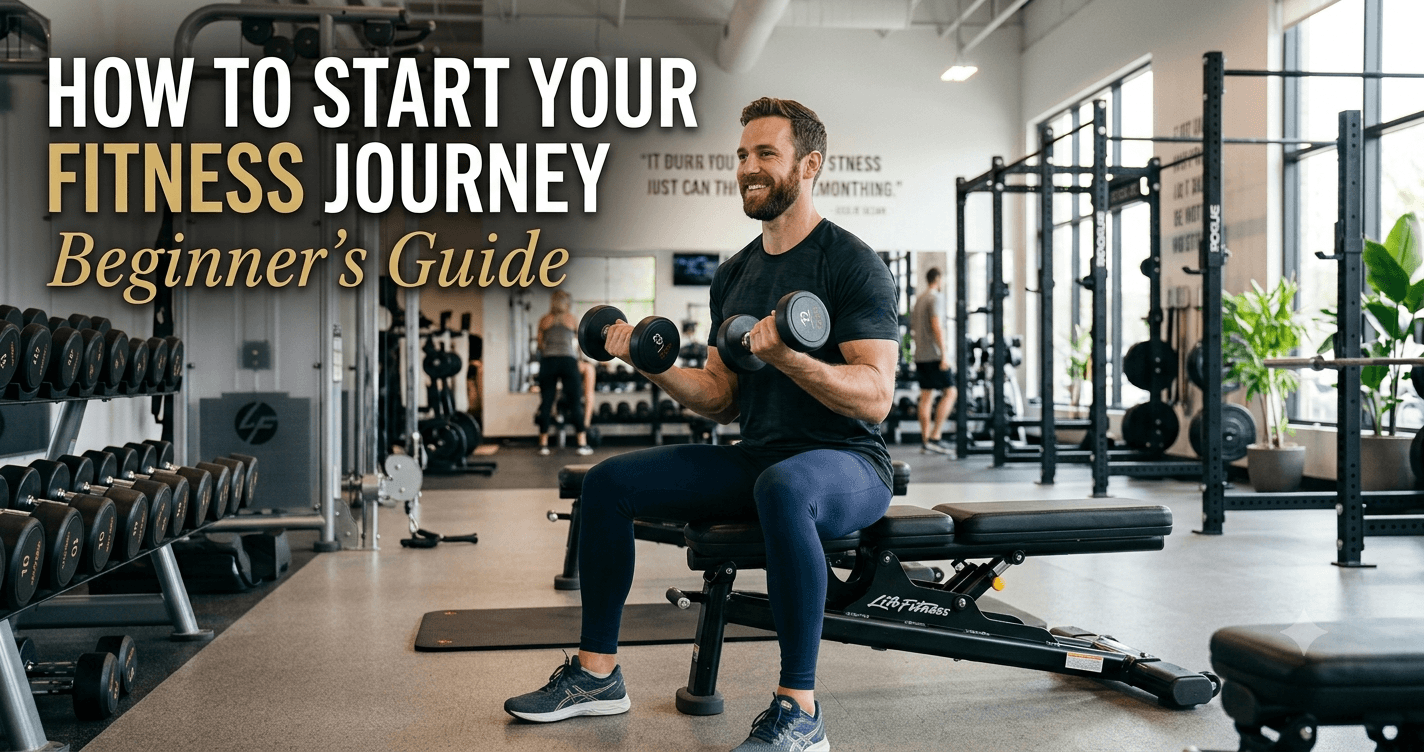
How to Start Your Fitness Journey: A Beginner’s Guide
Introduction
Starting a fitness journey can feel exciting, but for many beginners, it can also feel confusing. With so much information available online about workouts, diets, supplements, and fitness trends, it becomes difficult to know where to begin. Many people start with unrealistic goals, follow extreme diets, or exercise too hard in the beginning and eventually lose motivation.
The truth is that fitness is not about quick results or temporary changes. It is about building healthy habits that improve your body, mind, and lifestyle over time. Whether your goal is to lose weight, gain muscle, improve stamina, or simply become healthier, starting with the right approach is the key.
This beginner’s guide will help you understand the basic steps to start your fitness journey and create a routine that you can follow consistently.
1. Set Clear and Realistic Fitness Goals
The first step in your fitness journey is knowing what you want to achieve. Without a clear goal, it becomes difficult to stay motivated.
Everyone has different fitness goals. Some common goals include:
- Losing excess body fat
- Building muscle and strength
- Improving flexibility
- Increasing energy levels
- Becoming more active and healthy
Instead of setting vague goals like “I want to get fit,” create specific and realistic goals. For example, you can aim to exercise three to four days a week, lose a certain amount of weight gradually, or increase your strength over time.
Remember that fitness results take time. Focus on progress rather than perfection.
2. Understand the Importance of Consistency
One of the biggest mistakes beginners make is expecting results within a few days or weeks. Fitness is a long-term process, and consistency is more important than doing intense workouts occasionally.
A simple workout routine followed regularly will always be better than an extreme plan that you cannot maintain.
Try to build habits such as:
- Exercising at the same time every day
- Preparing healthy meals in advance
- Tracking your progress
- Staying active throughout the day
Small daily improvements create long-term success.
3. Start With Basic Exercise
When you are new to fitness, you do not need complicated workouts or expensive equipment. Start with simple exercises that help your body adapt.
Some beginner-friendly exercises include:
Bodyweight Exercises
- Squats
- Push-ups
- Lunges
- Planks
- Mountain climbers
These exercises help improve strength and build a strong foundation.
Cardio Exercises
Cardio improves heart health and increases stamina. Beginners can start with:
- Walking
- Jogging
- Cycling
- Swimming
- Jump rope
Aim for at least 20–30 minutes of physical activity several times a week.
Strength Training
Strength training is important for building muscle, improving metabolism, and increasing overall strength. Beginners can start with light weights and focus on learning proper form before increasing intensity.
4. Create a Beginner Workout Plan
A good workout plan should be simple and realistic. You do not need to spend hours in the gym every day.
A beginner weekly routine can look like this:
Day 1: Full Body Workout
- Squats
- Push-ups
- Dumbbell exercises
- Plank
Day 2: Cardio and Stretching
- Walking or jogging
- Mobility exercises
Day 3: Rest Day
Day 4: Strength Training
- Upper body exercises
- Lower body exercises
Day 5: Light Cardio
Day 6 and 7: Rest or Active Recovery
Rest days are important because your muscles need time to recover and grow.
5. Focus on Proper Nutrition
Exercise alone is not enough to achieve fitness goals. Your diet plays a major role in your progress.
A balanced diet should include:
Protein
Protein helps repair muscles and supports muscle growth. Good sources include:
- Eggs
- Chicken
- Fish
- Milk
- Paneer
- Dal
- Beans
Carbohydrates
Carbohydrates provide energy for workouts. Healthy sources include:
- Rice
- Oats
- Whole wheat bread
- Fruits
- Potatoes
Healthy Fats
Healthy fats support hormones and overall health. Sources include:
- Nuts
- Seeds
- Peanut butter
- Olive oil
Also, drink enough water throughout the day to keep your body hydrated.
6. Do Not Ignore Sleep and Recovery
Many beginners focus only on workouts and diet but forget about recovery. Sleep is one of the most important parts of fitness.
During sleep, your body repairs muscles and restores energy.
Try to get around 7–9 hours of quality sleep every night. Good sleep can improve:
- Muscle recovery
- Energy levels
- Mood
- Workout performance
Remember, your body does not grow while you exercise; it grows while it recovers.
7. Track Your Progress
Tracking your progress helps you stay motivated and understand what is working.
You can track:
- Body weight
- Strength improvements
- Workout consistency
- Measurements
- Progress photos
Do not compare your journey with others. Everyone’s body responds differently. Focus on becoming better than you were yesterday.
8. Avoid Common Beginner Mistakes
Many beginners make mistakes that slow down their progress. Avoid these common errors:
Doing Too Much Too Soon
Starting with very intense workouts can lead to injuries and burnout. Increase your workout intensity gradually.
Following Extreme Diets
Crash diets may provide quick results but are difficult to maintain and can affect your health.
Ignoring Technique
Doing exercises with incorrect form can cause injuries. Learn the correct technique before increasing weight.
Losing Motivation Due to Slow Results
Fitness changes take time. Stay patient and trust the process.
9. Stay Motivated During Your Fitness Journey
Motivation comes and goes, but discipline helps you continue.
Some ways to stay motivated:
- Set small goals
- Celebrate progress
- Find a workout partner
- Listen to music during workouts
- Keep reminding yourself why you started
Fitness should become a lifestyle, not a punishment.
10. Build a Healthy Lifestyle
A successful fitness journey is not only about workouts. It is about creating a healthier lifestyle.
Focus on:
- Eating nutritious food
- Staying physically active
- Managing stress
- Sleeping properly
- Maintaining a positive mindset
The goal is to create habits that improve your quality of life.
Conclusion
Starting your fitness journey does not require perfection. It only requires commitment and a willingness to improve. Begin with small steps, create realistic goals, exercise regularly, eat balanced meals, and give your body enough time to adapt.
Remember, fitness is a journey, not a destination. Every workout, every healthy meal, and every positive choice brings you closer to becoming a stronger and healthier version of yourself.
Start today, stay consistent, and enjoy the process of building a better lifestyle.
